
How to Prepare a Clean Laminating Surface
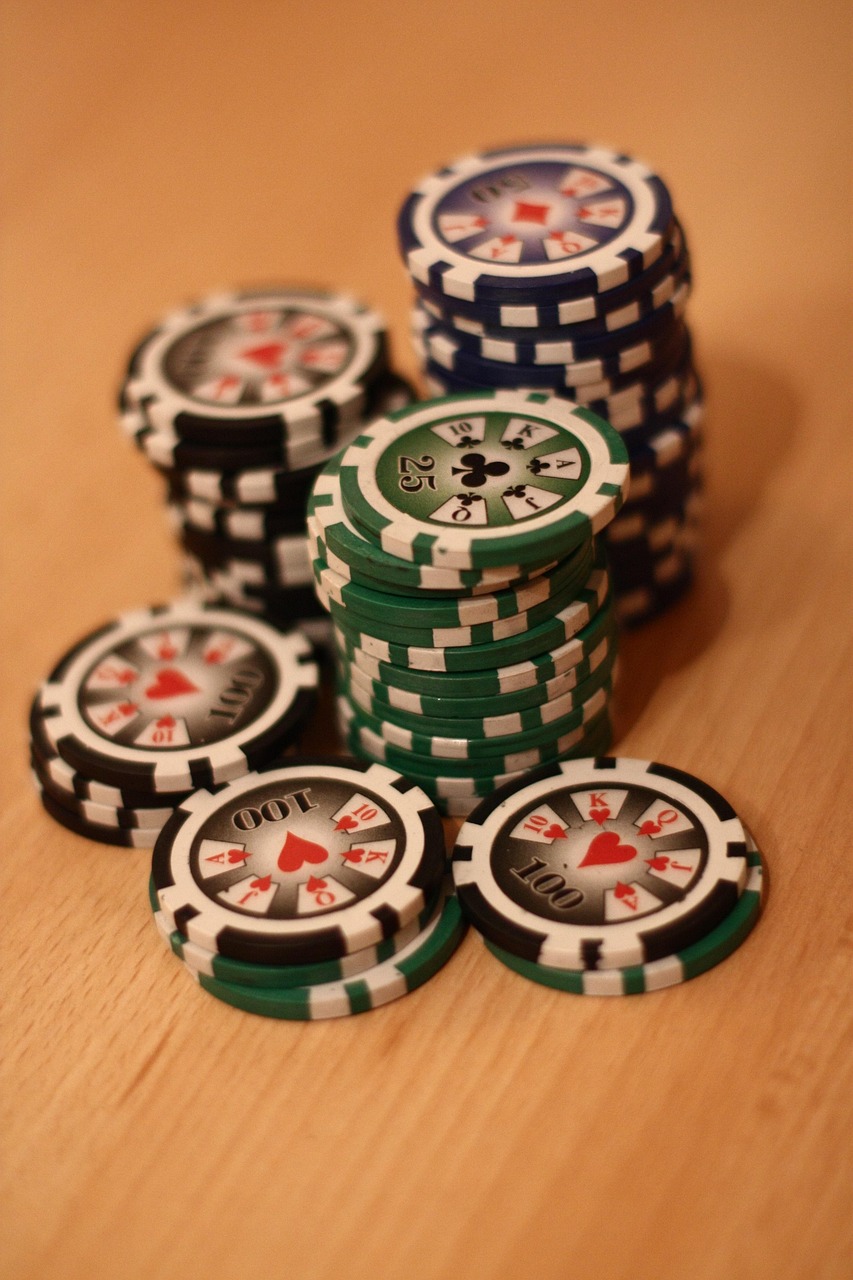
You've probably seen the ads: a smiling guy in a suit, a spinning roulette wheel, a promise of instant wealth. But if you've ever actually sat down at a poker table or spun a slot machine, you know the reality is far more nuanced. iGaming isn't just about luck—it's a complex ecosystem of psychology, mathematics, and decision-making. Whether you're a casual bettor or a seasoned grinder, understanding the mechanics behind the games can mean the difference between entertainment and frustration. Let's cut through the noise and talk about what really matters.
The Skill vs. Luck Spectrum
Not all casino games are created equal. Some are pure chance, while others reward strategy and observation. Take slots, for example. Modern video slots are powered by random number generators (RNGs), meaning every spin is independent. There's no 'due' win, no hot streak—just probability. The house edge typically ranges from 2% to 10%, depending on the game. That means for every $100 wagered, you'll lose $2 to $10 on average over time. Of course, variance can swing wildly in the short term, which is why some players walk away with jackpots and others bust.
Now contrast that with poker. Yes, luck plays a role in the short run—you can't control the cards you're dealt. But over thousands of hands, skill dominates. Professional poker players consistently win because they understand odds, psychology, and position. If you're new to poker, start with tight-aggressive play: only play strong starting hands like pairs (AA, KK, QQ) and premium broadway cards (AK, AQ). Fold the junk. It sounds boring, but it's profitable. You can read more about it on iwin68club.it.com.
Blackjack sits somewhere in between. Basic strategy can reduce the house edge to under 1%, and card counting—though difficult and often banned in online casinos—can theoretically give you an edge. But for most players, it's about minimizing mistakes. Memorize the basic strategy chart: hit on 16 if the dealer shows a 7 or higher, stand on 17, always split aces and eights. These small decisions add up.
Understanding House Edge and RTP
Every casino game has a built-in advantage for the house, but the size varies. RTP (Return to Player) is the percentage of all wagered money that a game pays back to players over time. For example, a slot with 96% RTP returns $96 for every $100 bet, on average. The remaining 4% is the house edge. Here's a quick comparison:
- Slots: 92–97% RTP (varies widely by game)
- Blackjack: 99.5% RTP with perfect basic strategy
- Roulette: 97.3% RTP for European single-zero; 94.7% for American double-zero
- Video Poker: 97–99.5% RTP with optimal play
- Baccarat: 98.9% RTP on banker bet, 98.6% on player bet
Notice how blackjack and video poker offer better odds? That's because they involve decision-making. The more control you have, the lower the house edge. If you're purely chasing entertainment, slots are fine—just set a budget and stick to it. But if you want to stretch your bankroll, focus on games where skill matters.
Sports Betting: More Than Picking Winners
Betting on sports feels intuitive: you pick a team, they win, you get paid. But the bookmaker's margin—the vig—is baked into the odds. A standard -110 line means you need to win 52.4% of your bets just to break even. That's why sharp bettors hunt for value: they look for lines that are mispriced due to public bias or injuries. For instance, if a star quarterback is questionable, the line might overreact, creating an opportunity on the underdog.
Another key concept is closing line value. If you bet a team at +150 and the line closes at +120, you got a good number. Consistently beating the closing line is a strong indicator of long-term profitability. So instead of asking 'Who will win?', ask 'Is the price right?'
The Psychology of Gambling: Tilt, Chasing, and Discipline
Even the best strategy crumbles without emotional control. Tilt is a poker term for frustrated, irrational play after a bad beat. It happens in all forms of gambling: you lose a hand, so you double your bet on a slot machine to 'get it back.' That's chasing losses, and it's a fast track to ruin. The house edge doesn't care about your feelings; it will grind you down if you let it.
Discipline is your edge. Set a loss limit before you start—say, 20% of your bankroll—and walk away when you hit it. Similarly, set a win limit. It's tempting to keep playing when you're hot, but variance cuts both ways. A good rule: if you double your buy-in, cash out the original stake and play with the profit. That way, you're never giving back your own money.
Also, be aware of near-miss effect. Slot machines are designed to show you two matching symbols and one off—it triggers the same dopamine response as a win, keeping you spinning. Recognize it for what it is: a psychological trick, not a sign that a jackpot is coming.
Bankroll Management: The Unsung Hero
You can't win if you're broke. Bankroll management is the difference between a hobby and a disaster. Here's a simple framework for slots:
- Determine your total gambling budget for the month. Never use rent money, savings, or credit.
- Divide by number of sessions (e.g., 4 sessions = 25% each).
- Within a session, bet no more than 1-2% of that session's bankroll per spin. If you have $100 for a session, bet $1–$2 per spin.
- Stop if you lose 50% of the session bankroll. Walk away, come back another day.
For poker, the standard is 20–30 buy-ins for cash games and 50–100 buy-ins for tournaments. If you play $1/$2 no-limit hold'em, you need at least $4,000–$6,000 dedicated to poker. That cushion absorbs the inevitable downswings.
Final Thoughts: Play Smart, Not Hard
iGaming can be a thrilling form of entertainment, but it's not a get-rich-quick scheme. The casinos and sportsbooks are businesses—they're not charities. Your job is to maximize fun per dollar, not to beat the system. Focus on games where skill matters, learn the odds, and above all, manage your emotions and your money. If you ever feel like you're chasing losses or gambling more than you can afford, step back. The best players aren't the ones who win every session; they're the ones who last. So next time you log in, remember: the house always has an edge, but you have the power to decide how much you're willing to pay for the ride.
LEAVE A COMMENT